
Most Canadian players seldom check the casino licence https://betninjaa.ca/fr-ca/mentions-legales-et-partenaires/. They spot flashy promotions and big game libraries and leave it at that. But the licence is what actually guards your money, your personal data, and your chance for a fair game. For an operator like Betninja Casino, the licensing framework defines the standards for everything from dispute resolution to the openness of the bonus terms must be. Noticing a logo in the footer isn’t enough. You get real power as a player when you comprehend what the licence requires of the casino and how those demands become everyday protections. View the requirements as a roadmap, not a rubber stamp, and you cease gambling blindly. You start making informed choices. This is important even more in Canada, where offshore and provincial rules converge in messy ways. Your own diligence turns into the best safety net you have.
Grasping the Role of Casino Licensing Bodies
A licensing body is more than just a bureaucratic stamp. Groups like the Malta Gaming Authority, the UK Gambling Commission, and the Kahnawake Gaming Commission here in Canada exist to maintain a strict code of conduct. They demand regular software testing to confirm that random number generators produce unpredictable outcomes, and they examine financial reserves so player balances never intermingle with operating funds. When a site like Betninja Casino holds a recognized licence, it consents to unannounced compliance checks. Those checks can examine anti-money laundering protocols, the accuracy of advertised return-to-player percentages, and more. For a Canadian player, this oversight means the games aren’t just entertaining; they’re mathematically verifiable. The licensing body functions as a neutral third party that holds the operator accountable long after you’ve claimed the registration bonus.
The real strength of a licensing jurisdiction often manifests in its complaints and mediation process. If a disagreement pops up over a delayed withdrawal or how a wagering requirement is construed, you can elevate the issue past the casino’s internal support team. Regulators with strong player protection mandates will investigate and, when needed, hand down binding decisions. That possibility changes how the operator behaves, urging them to settle disputes fairly before outside intervention becomes necessary. Betninja Casino’s willingness to abide by this structured framework signals that it’s ready to be assessed by an impartial authority. For Canadians navigating a market where provincial monopolies and international sites overlap, picking a casino that reports to a reputable commission gives you a layer of consumer protection no terms-and-conditions checkbox can match. The licence is your assurance that an impartial referee is watching over things.
The ways Licensing Requirements Protect Players from Fraud
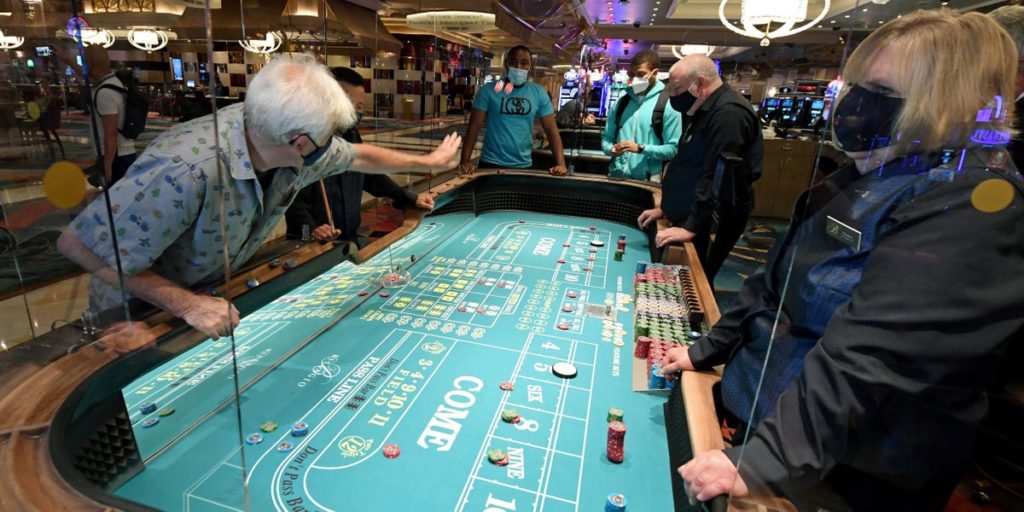
Fraud prevention is baked into any proper casino licence. Regulators demand strict Know Your Customer (KYC) and anti-money laundering rules, so before a big withdrawal is completed, the operator must verify your identity. Some players see document requests as a hassle, but this process represents the single best barrier against identity theft and account takeovers. A licensed outfit like Betninja Casino employs encrypted channels to collect and store those sensitive documents, following data protection standards that unregulated sites ignore. The licence also forces the casino to keep player funds separate from operating capital, in entirely different bank accounts. Even if the company somehow turned insolvent, your balance is kept untouched. That structural safeguard converts the casino from a risk into a service you can trust with your money.
Beyond financial shields, licensing rules impose technical security standards that guard against outside threats. Regular penetration testing and cybersecurity audits are compulsory if an operator wants to stay in good standing with top-tier regulators. That means the platform’s servers are hardened against attacks, and the connection between your device and the casino remains encrypted with up-to-date protocols. For Canadians who play on shared or public networks while travelling, this mandated security is a must. When you spin a slot or join a live dealer table at Betninja Casino, the licensing framework guarantees the software has been independently checked for tampering. The result is an environment where luck is the only variable, not manipulation. Recognizing these invisible shields enables you appreciate that a licence isn’t a marketing badge; it’s a multi-layered defence system built to protect every wager you place.
Leveraging Licensing Data to Assess Bonus Fairness
Bonus offers often function as bait, but licensing requirements transform that bait into a contract with enforceable terms. Regulators require that all promotional conditions be written in clear, unambiguous language, and they ban hidden clauses that make withdrawal nearly impossible. This means you can employ the licence as a lens to assess whether a welcome package is actually generous or a trap designed with math. At Betninja Casino, for instance, the wagering requirements, maximum bet limits during bonus play, and excluded game contributions are spelled out in line with the regulator’s guidelines. Once you realize that these dhnet.be disclosures aren’t optional favours but mandated protections, you learn to compare bonuses by the clarity and reasonableness of the rules, not just the headline amount.

Licensing data also reveals how bonus-related systems are audited. Independent testing agencies, hired by the regulator, verify that the bonus wagering progress tracker works correctly and that the software doesn’t quietly change game behaviour when a bonus is active. For you, this means the path from bonus credit to withdrawable cash runs on audited logic, not arbitrary operator decisions. When checking Betninja Casino’s promotions, seek references to the testing agency’s certification on the legal page. That small detail verifies fairness extends past the RNG and into the promotional mechanics. By turning bonus analysis into a licensing question, you move from hoping for a good deal to verifying one. The licence becomes your best tool for telling a transparent incentive apart from a confusing maze, sparing you time and money.
Interpreting the Details of a Casino Licence
The details at the bottom of a casino homepage exceeds meet legal requirements. It offers a trail of verifiable facts. Every legitimate licence comes with a unique registration number you can verify on the regulator’s official website. Spend two minutes on that verification and you obtain concrete proof of the operator’s standing, including any sanctions or warnings. Betninja Casino presents this information prominently, so anyone can check its authorization without guesswork. The licence badge itself should be clickable, directing to a live certificate or the regulator’s registry. If the logo is just an image with no hyperlink, consider that as a red flag. Real transparency means making the validation process smooth, and that begins with how the operator arranges its footer.
Beyond the licence number, the fine print shows the scope of authorization. Some licences include only specific game types or limit operations in certain territories. Reading these limits prevents unwelcome surprises. For the Canadian market, it’s especially important to ensure the licence explicitly permits players from your province. The terms also outline the regulator’s dispute resolution procedures, such as contact emails and expected response times. When Betninja Casino sets forth these avenues, the licence stops being a static document and becomes a live resource. Savvy players save a screenshot of the licence page or mark the regulator’s register. If a disagreement arises, that documentation is the beginning for a formal complaint. Viewing the fine print as a user manual instead of legal clutter is the sign of a player who controls their online casino experience.
A Canadian Perspective on Online Casino Licensing
Canada occupies a unique spot. Provincial lotteries operate legally regulated platforms, while internationally licensed casinos accommodate residents in a grey market space. No federal law stops an individual from playing at an offshore-licensed site, but the absence of a single national regulator puts extra responsibility on you. In this fragmented setup, a licence from a respected jurisdiction like Malta, Gibraltar, or Kahnawake serves as a key trust signal. Betninja Casino’s choice to operate under internationally recognized licensing standards gives Canadian players a familiar protection framework that mirrors what provincial systems offer. Understanding this assists you look past the operator’s mailing address and focus on the quality of regulatory oversight, which is often much more meaningful than geography.
The Kahnawake Gaming Commission, located right in Canada, offers a homegrown licensing option that many international operators have used for decades. Its requirements deviate in nuance from European regulators, but it still enforces core standards around game fairness, dispute resolution, and player fund segregation. When evaluating Betninja Casino, a Canadian player should recognize that the specific jurisdiction is less important than the regulator’s willingness to enforce its rules publicly. Checking enforcement actions and transparency reports indicates which commissions actively penalize non-compliance. With provinces like Ontario moving toward their own open licensing model, the lines between local and international regulation are blurring. The smartest approach for any Canadian is to ignore borders and audit the licence’s practical protections: accessible complaint channels, mandatory auditing, and clear data security obligations. Those criteria establish a consistent safety net, no matter which regulator’s flag flies over it.
What makes Affiliate Transparency Matters in a Regulated Environment
A regulated casino’s duties stretch into its marketing relationships through clearly defined affiliate programme rules. When a platform like Betninja Casino manages an affiliate network, the licensing terms compel it to uphold advertising standards on every website promoting its brand. Partners cannot make false claims about bonuses, guaranteed wins, or instant wealth. The operator must monitor affiliate content and terminate relationships with anyone who breaks the rules. For an educated player, this provides an extra layer of verification: a casino that doesn’t police its affiliate network is most likely cutting corners elsewhere. A transparent, well-managed affiliate page, like the one on Betninja Casino’s legal portal, shows that the operator considers regulatory compliance as a company-wide commitment, not just a restricted operational checkbox.
Affiliate transparency benefits you directly by eliminating the noise of exaggerated promises. Licensed operators demand partners to show terms and conditions accurately, including wagering requirements and game weightings, so you reach the casino with realistic expectations. This consistency between promotional material and the actual product is a direct result of licensing oversight. When a Canadian player looks into Betninja Casino through third-party review sites, consistent information en.as.com across those channels acts like crowdsourced verification. If one affiliate inflates a bonus percentage while another displays the real figure, the licence framework gives the operator both the authority and the duty to rectify the record. Understanding this dynamic prompts you to view affiliate pages not as mere commercial listings but as proof of the operator’s integrity. A honest, rule-abiding partner network is a strong sign of how the casino operates its core operations.
Building Confidence Via Approved Operator Partnerships
Sustained trust in an online casino grows step by step, and verified partnerships act as public endorsements of an operator’s reliability. Payment providers, game studios, and responsible gambling organizations all conduct due diligence before linking their brands to a casino. When a platform like Betninja Casino partners with well-known software developers and shows logos from groups like GamCare or BeGambleAware, it indicates that outside entities have checked its operations. These partnerships don’t happen by chance; they happen because the casino fulfills the strict technical and ethical standards each partner expects. For a Canadian player, spotting this network of mutual verification offers a layer of assurance beyond the core licence. It reveals the operator is part of an ecosystem where reputation counts and poor practices would quickly lead to isolation.
The affiliate and legal transparency page itself transforms into a confidence-building document when it lists these partnerships openly. Devote time to review a page like Betninja Casino’s legal and partners section, and you’ll locate concrete links to responsible gambling tools, dispute resolution bodies, and the licence certificate. That kind of openness complicates for an operator to hide behind vague claims. In a market where players often feel powerless, consulting this page is an empowering act. It turns the abstract idea of regulation into a personal checklist. Operators who readily present all their credentials in one easy-to-navigate spot respect your intelligence and your right to make informed choices. That respect, more than any single bonus or game feature, is the foundation of a sustainable gaming relationship. Utilize the licensing page as your starting point, and every session that follows turns into a continuation of a well-reasoned decision.